


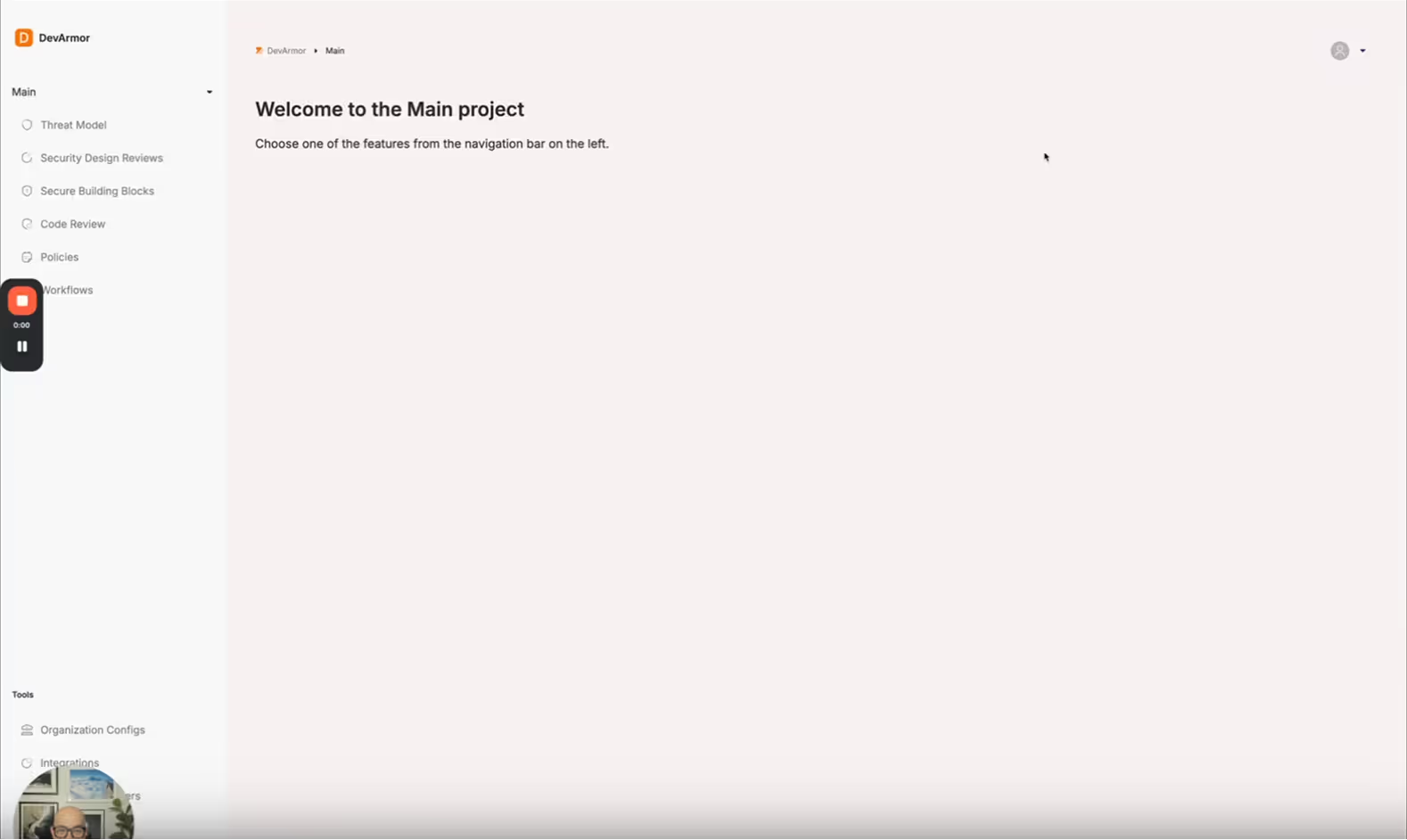
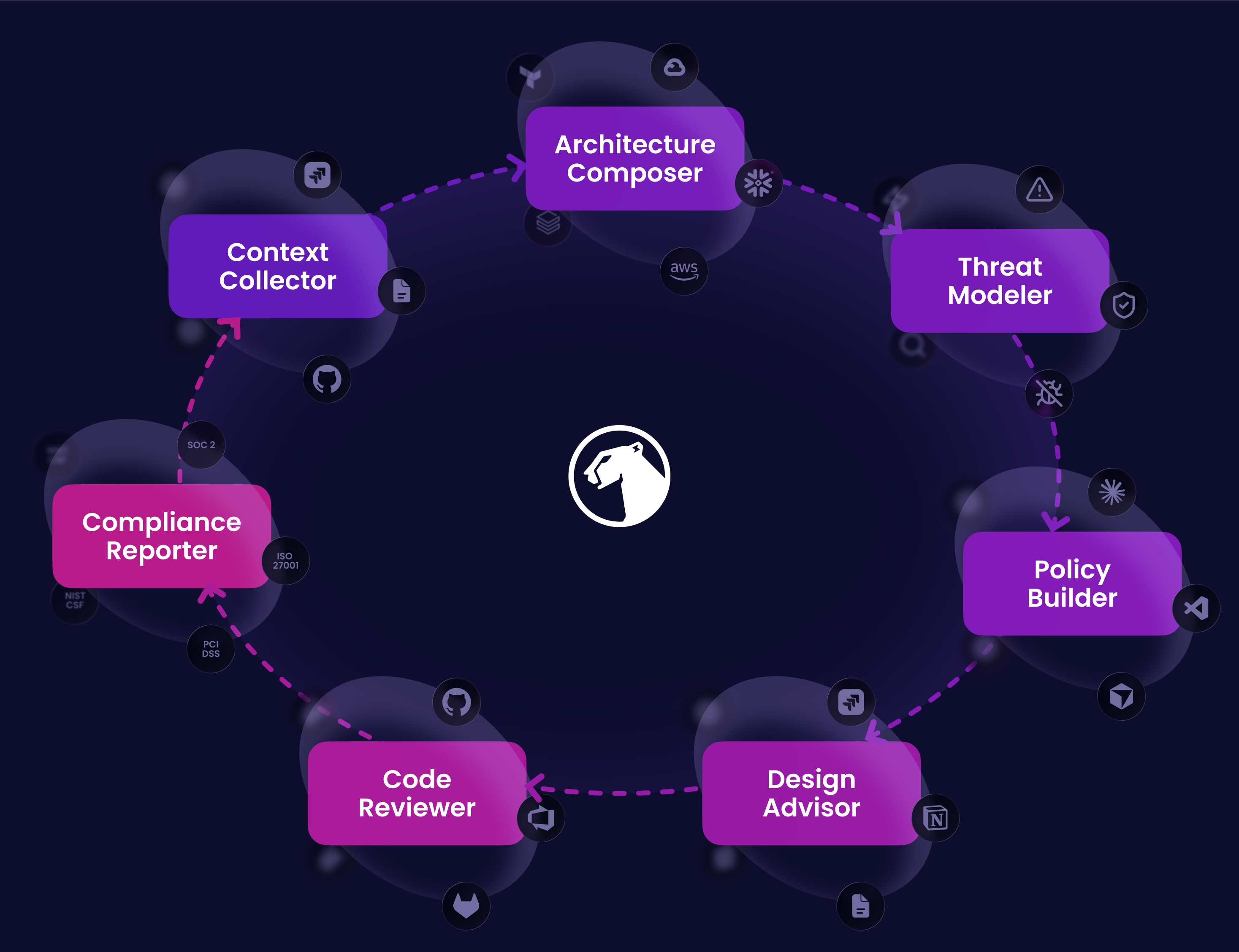
DevArmor creates clear mitigations, audit‑ready evidence, and a living review that stays current as the design evolves. It then enforces it during code generation and review. All of this happens inside tools that devs and agents already use: Jira, Google Docs, VS Code, GitHub, ...
Unblock your developers with real-time,
in-workflow security feedback
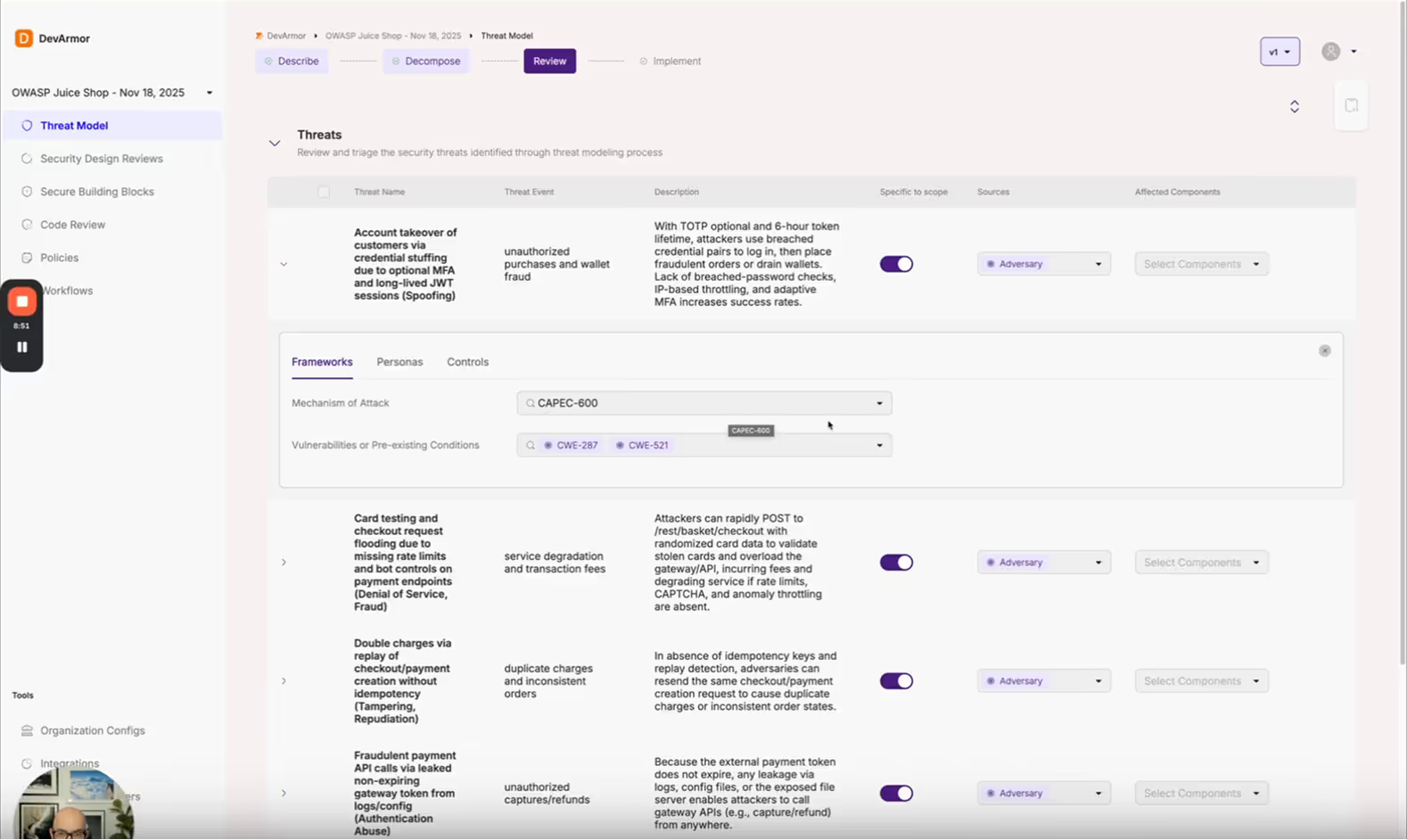
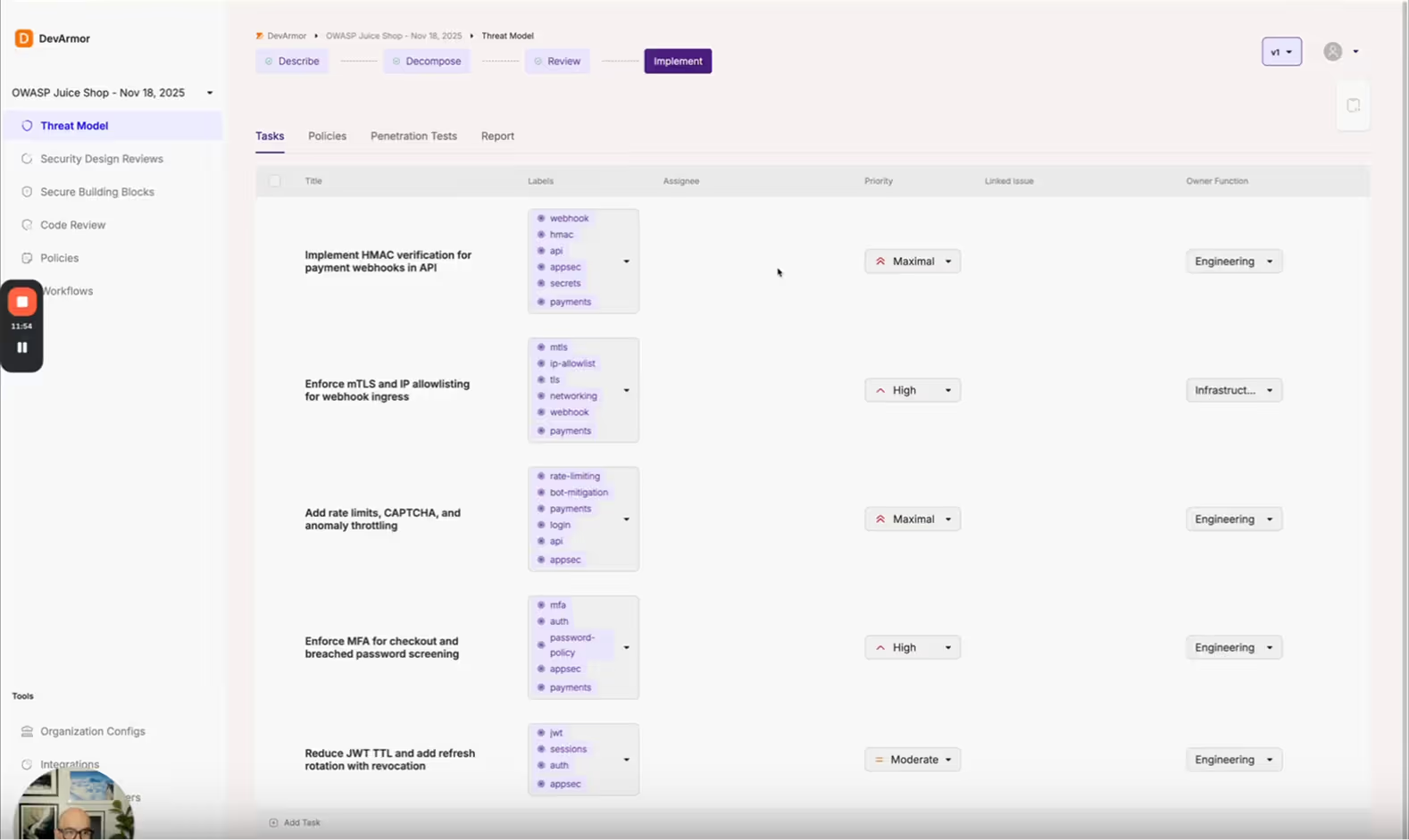
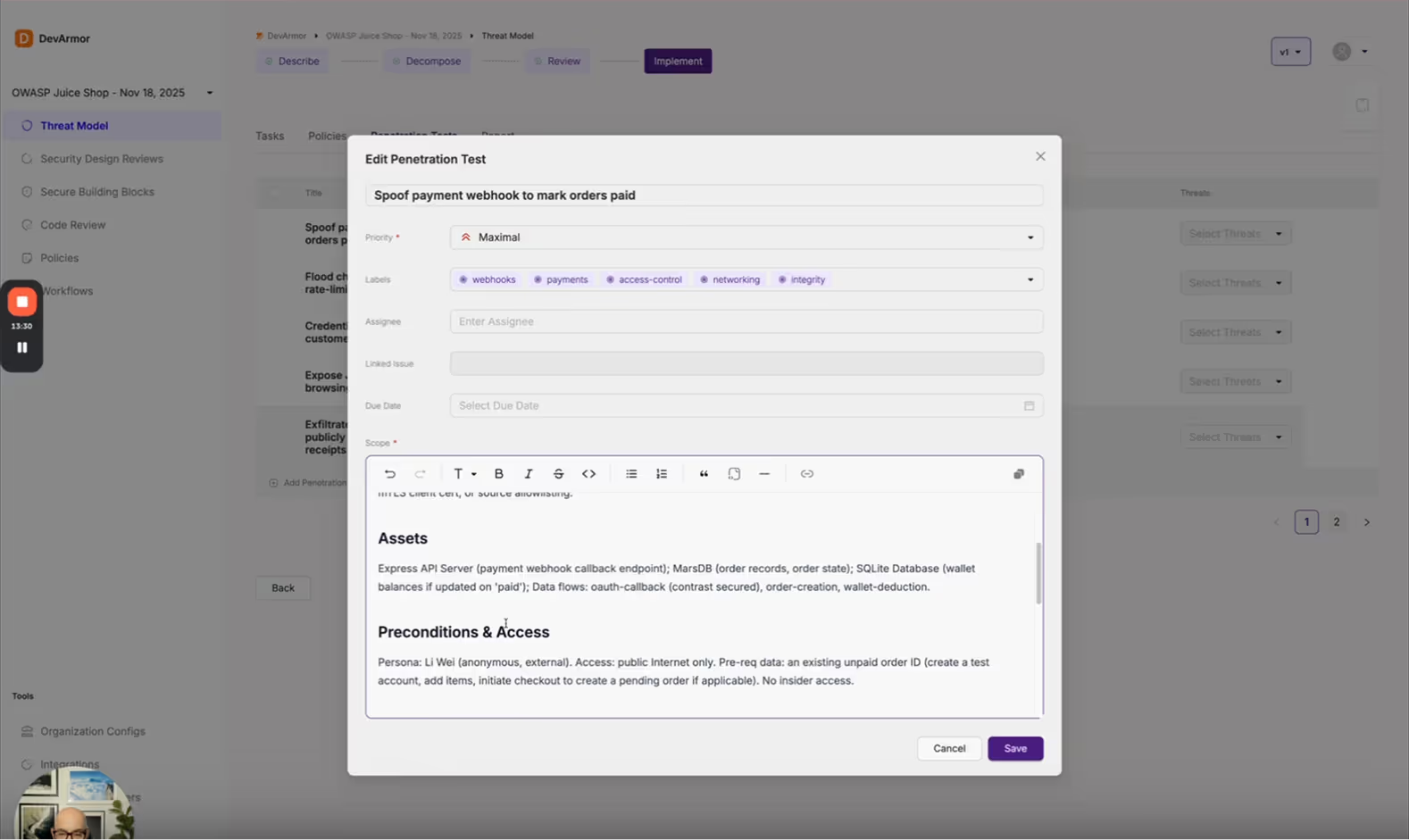
Replace slow, manual reviews with a concise, AI‑assisted workflow. DevArmor identifies design gaps, recommends controls, and ties each requirement to concrete checks your pipeline can run.
Every review draws on your unified security context, so feedback reflects your architecture and your policies, not generic best practices.
Built for the agentic development lifecycle.
DevArmor automatically creates custom rule sets for AI platforms, so every piece of AI-generated code follows your organization’s security and compliance policies.


.png)



 Reza Khosravi
.jpg)

.jpg)
 Amir Kavousian
Every agent in DevArmor loop reads from the shared context and writes back to it. Nothing falls through the cracks. Every review, every policy, every enforcement decision, every exception becomes part of what the system knows about your organization, which makes the next decision faster, cheaper, and more precise.

 Amir Kavousian & Rami McCarthy
This article is co-authored with Rami McCarthy, Principal Security Researcher and prolific author of security blogs (ramimac.me). You can also find him on LinkedIn (linkedin.com/in/ramimac/).

 Reza Khosravi
The EU just made software defects and security flaws a product liability issue. Here's what changed and what it means for your team.
.png) Reza Khosravi
Reza KhosraviWhere vulnerability management meets secure design.
.png)
 Amir Kavousian
AI can now generate working exploits from a CVE in under 15 minutes. Patching can't keep up. The only defense that moves faster than exploitation is the architectural decisions you made before the vulnerability existed.
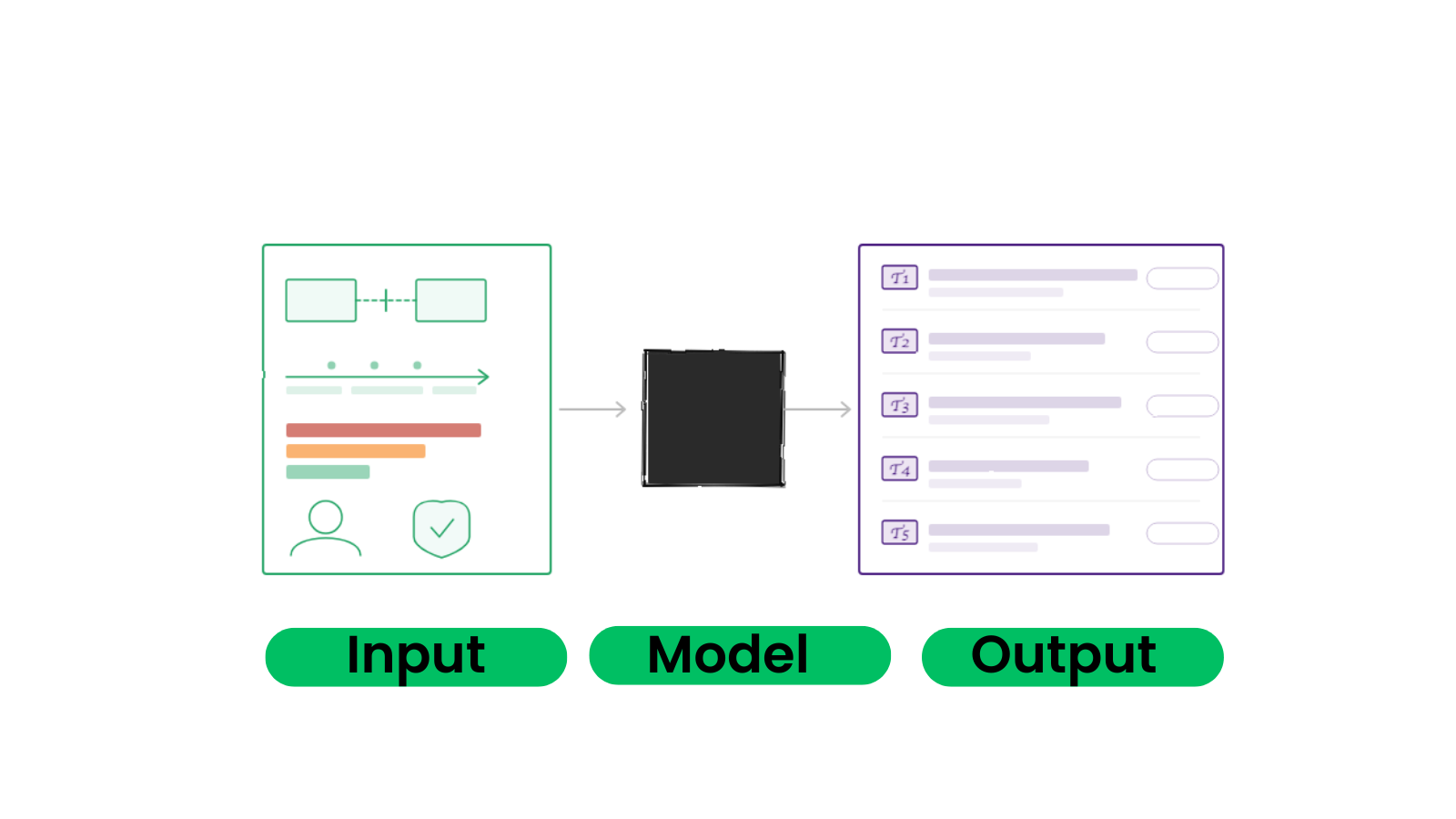
 Petra Vukmirovic
The practitioners who consistently produce good threat models are not the ones with the most sophisticated tooling. They are the ones who are obsessive about what goes in. Get that right, and the all the rest (the methodology, the AI assist, the output format ...) will fall into place.
.png)
 Amir Kavousian
Early-stage security programs often measure success by the number of vulnerabilities closed. Mature programs measure it by how much risk actually goes down. Instead of treating every finding as equal, they weigh attacker intent, system exposure, and business impact, balancing technical severity (CVSS, EPSS) with architectural and operational context.

 Reza Khosravi
.png) Reza Khosravi
Reza Khosravi.png)
 Amir Kavousian
The future of AppSec isn't about chasing bugs or triaging alerts. It's about capturing intent, governing design, and enabling every contributor (human or AI) to build securely by default.
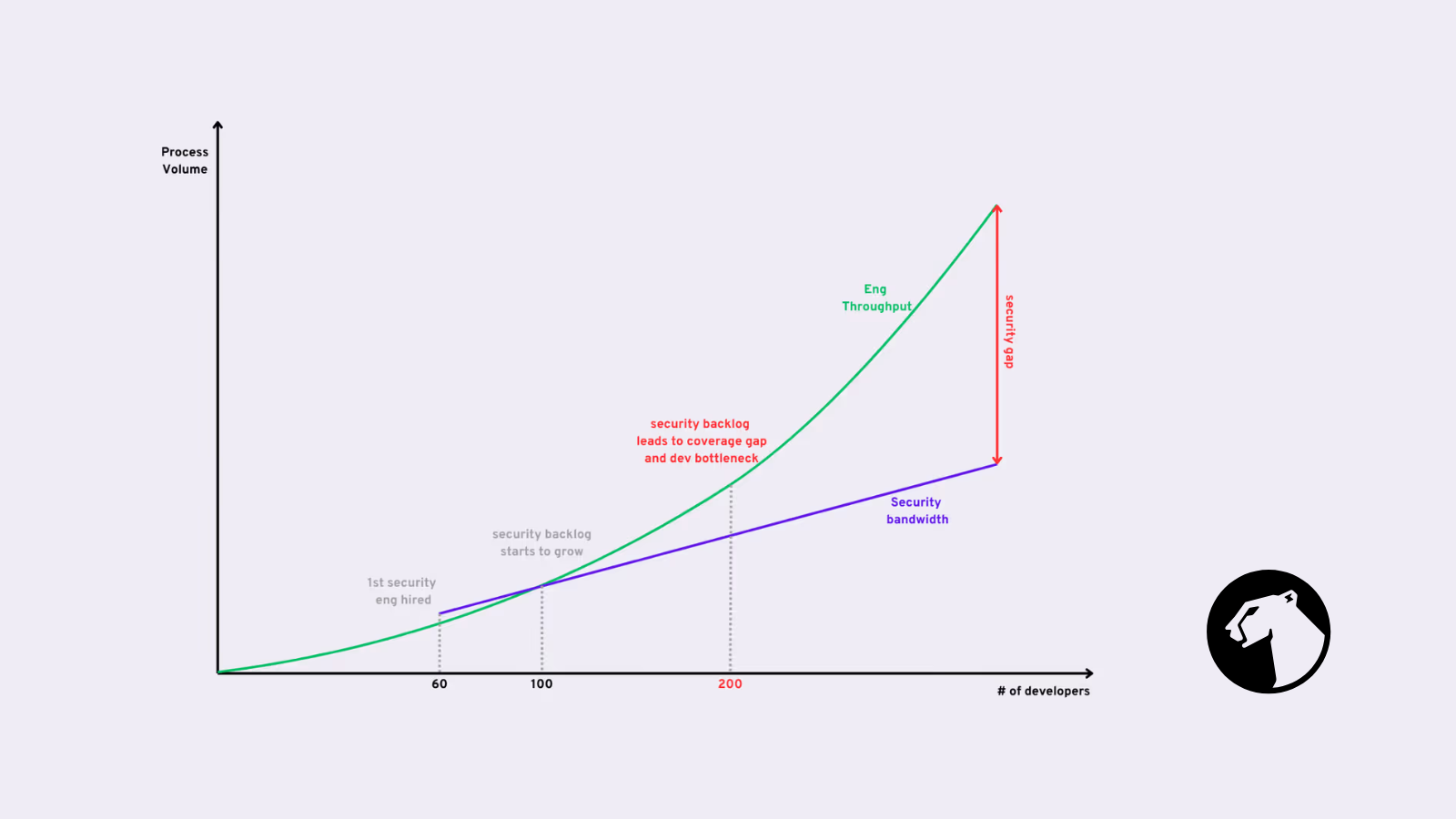 Amir Kavousian
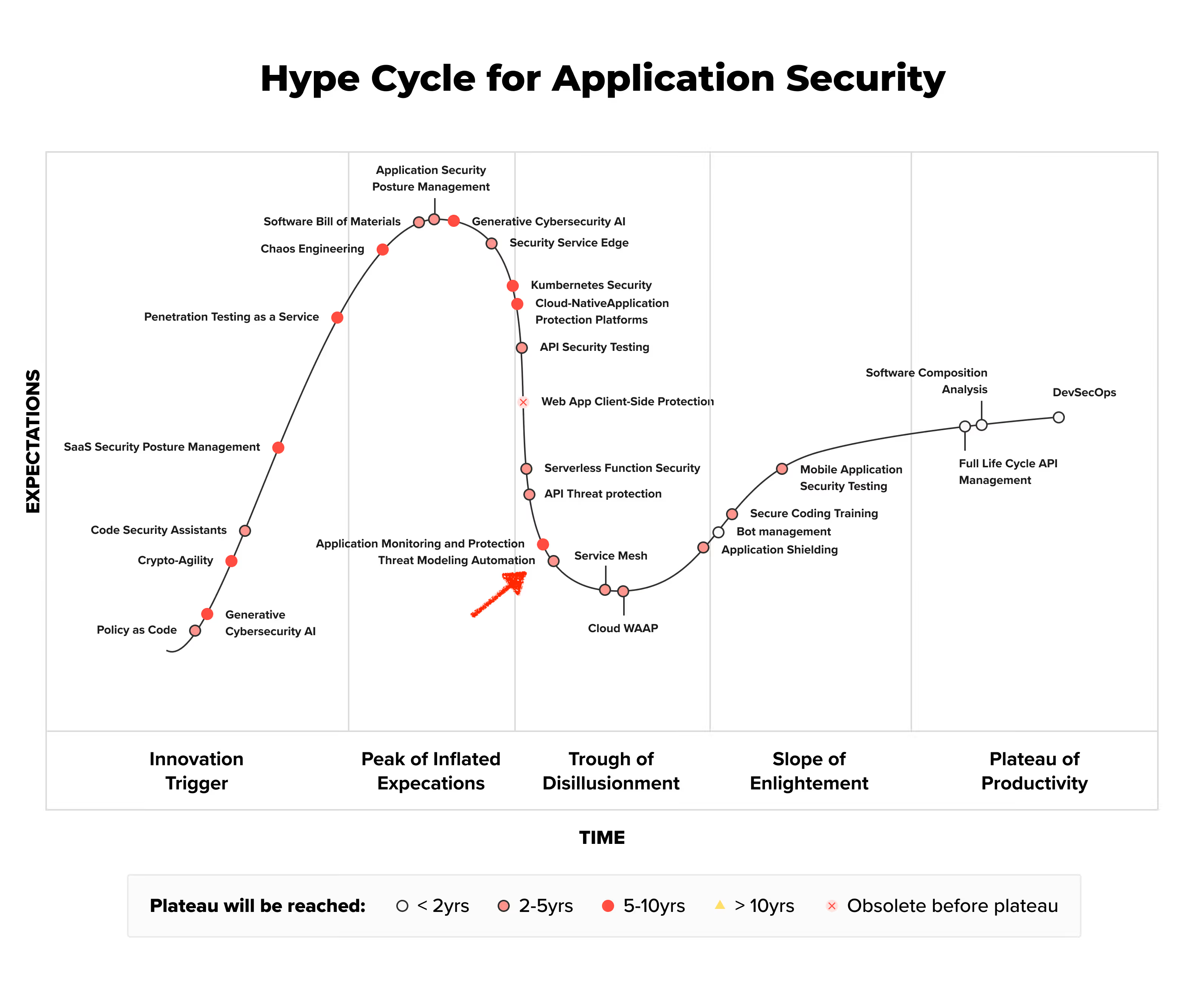 Amir Kavousian
.png)
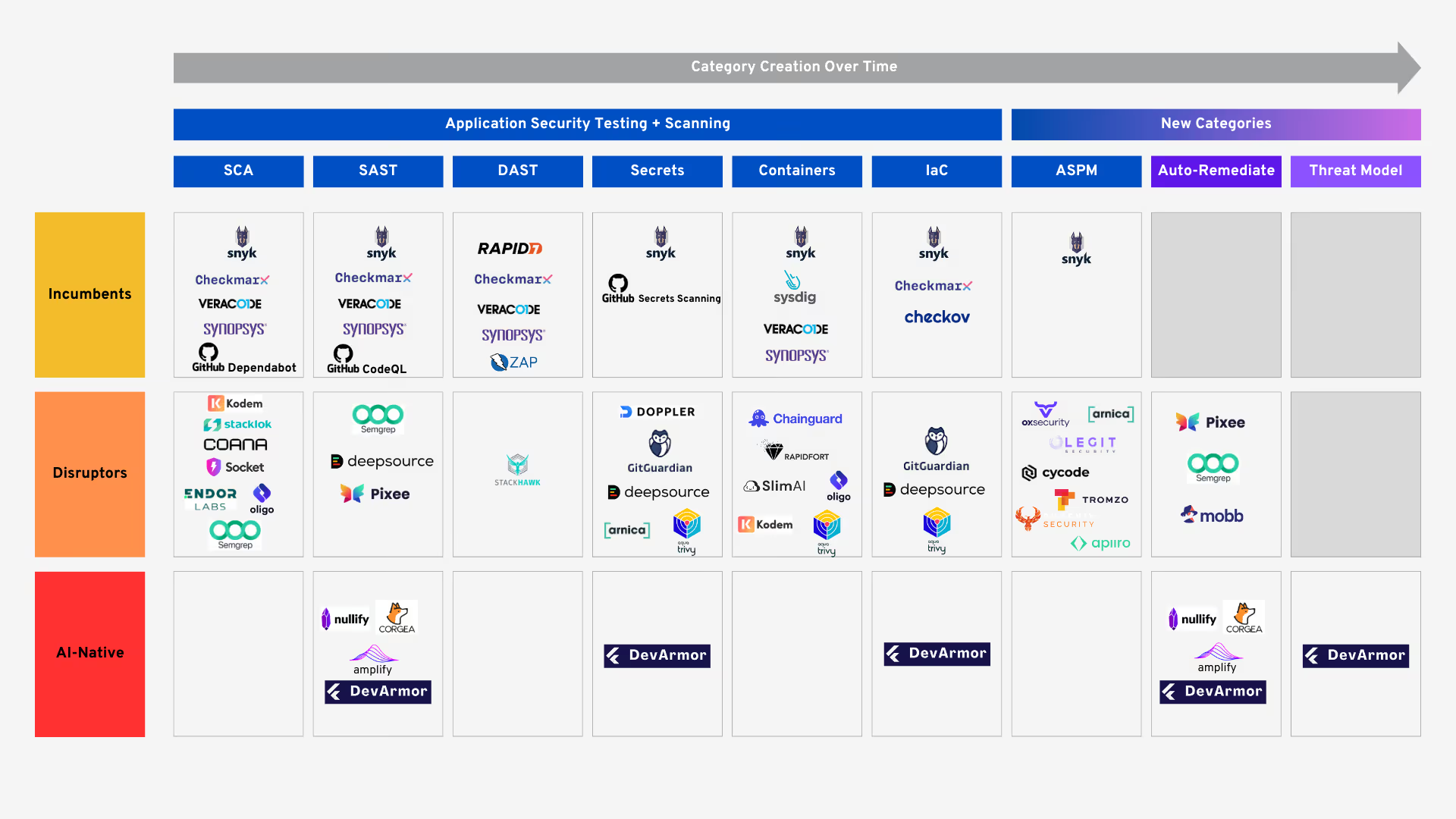
 Amir Kavousian